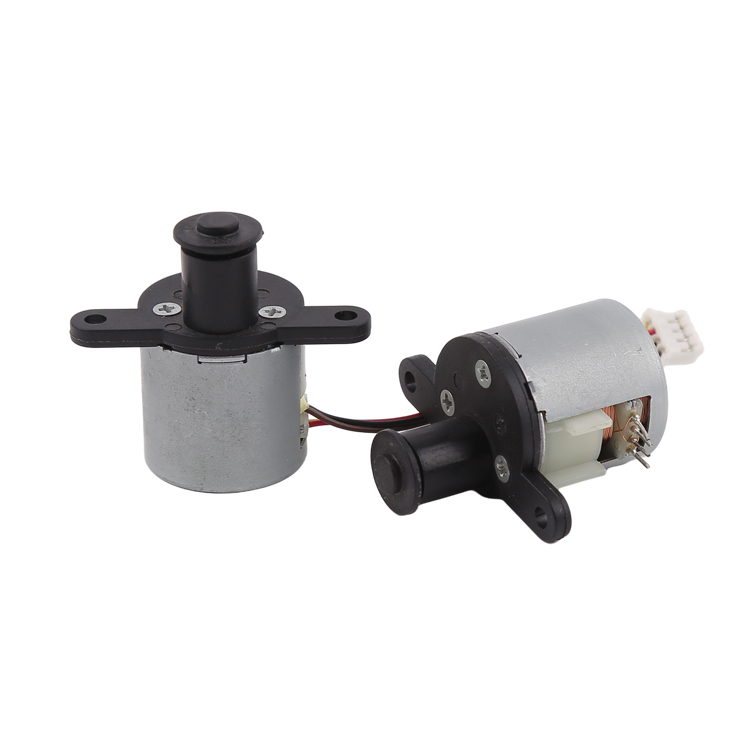
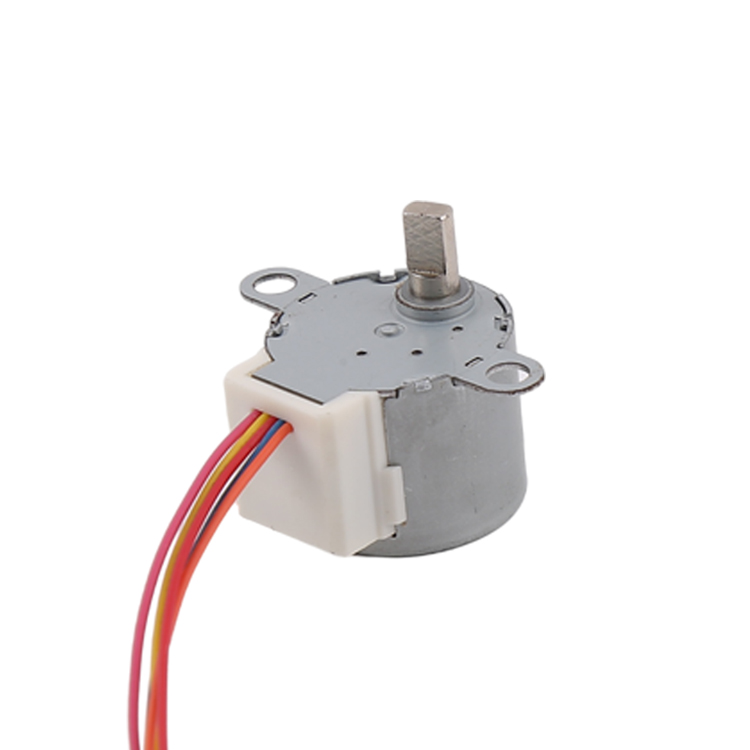
**Understanding Nema 34 Stepper Motor Voltage Specifications: A Comprehensive Overview**In the realm of precision motion control, stepper motors have become the cornerstone of numerous industrial and commercial applications. Among the various types available, the Nema 34 stepper motor stands out due to its robust design and high torque capabilities. Understanding the voltage requirements of the Nema 34 stepper motor is crucial for ensuring optimal performance and longevity. This article provides an in-depth examination of the Nema 34 stepper motor voltage specifications, highlighting key considerations for users and integrators.### What is a Nema 34 Stepper Motor?The term "Nema 34" refers to a stepper motor with a standardized faceplate size of 3.4 inches (approximately 86 millimeters) as defined by the National Electrical Manufacturers Association (NEMA). These motors are widely used in CNC machines, 3D printers, robotics, and automation systems due to their ability to deliver high torque at low speeds with precise positional control.### Voltage Specifications of the Nema 34 Stepper MotorStepper motors, including the Nema 34 series, are typically rated by their voltage and current specifications. However, unlike brute force DC motors, stepper motors are current-driven devices — voltage alone does not dictate their performance; rather, it works in tandem with current and driver electronics.1. **Rated Voltage vs. Drive Voltage**The rated voltage of a Nema 34 stepper motor usually ranges from 2.8V to 4.2V, reflecting its coil design and internal resistance. This voltage rating is a nominal figure describing what the motor windings can safely handle without damage or overheating under continuous operation.However, in practical applications, the stepper motor driver supplies a higher drive voltage, often ranging from 24V to 80V or more, depending on the power supply and driver capabilities. The rationale behind using a higher voltage drive is to improve the responsiveness and torque at higher speeds by overcoming the inductance of the motor coils faster. Modern stepper drivers use current-limiting technology, allowing higher voltages to be applied safely without exceeding the rated current.2. **Current Ratings and Their Relationship with Voltage**Each winding of a Nema 34 stepper motor is rated for a specific current—often in the range of 3 to 6 Amperes. It is essential to respect the current limits to avoid overheating and damage. The motor’s internal resistance determines the rated voltage given the rated current (V = IR). For example, a motor with winding resistance of 1 Ohm and a rated current of 4 Amps will have a rated voltage of 4V.3. **Supply Voltage Selection**Selecting an appropriate supply voltage is a balancing act. A voltage too low will result in sluggish motor behavior and insufficient torque at higher speeds. Conversely, a voltage that is too high without proper current regulation can overheat the motor windings.Manufacturers and system integrators typically choose a supply voltage several times higher than the motor’s rated voltage, leveraging constant current drivers to regulate the current precisely.### Advantages of the Nema 34 Motor Voltage RangeThe capacity of the Nema 34 motor to handle a diverse voltage range imparts several benefits:- **Improved High-Speed Torque:** Higher driving voltage allows the coils to energize faster, increasing rotational speed and sustaining torque. - **Enhanced Precision:** Stepper motors maintain exact positioning without requiring feedback, benefitting applications like CNC machining where accuracy is paramount. - **Thermal Management:** With current-limited driving techniques, motors operate cooler even at higher supply voltages, improving reliability.### Practical Applications and ConsiderationsIn industrial environments, Nema 34 stepper motors are often paired with microstepping stepper drivers that support higher voltage inputs and sophisticated current control. These systems enable smooth, quiet, and precise motor control suited for demanding equipment.Engineers must ensure that power supplies and drivers are compatible with the motor’s electrical characteristics, and implement appropriate heat dissipation measures such as heatsinks or cooling fans when operating at elevated currents.### Company Introduction[Company Name], a leader in motion control technology, has specialized in delivering high-quality stepper motors and drive solutions for over two decades. Committed to innovation, [Company Name] provides comprehensive technical support and customized motor systems designed to meet diverse industrial requirements.With a strong emphasis on research and development, [Company Name] ensures its stepper motors, including models conforming to Nema 34 standards, conform to rigorous quality and reliability benchmarks. The company’s global presence and dedicated service network make it a preferred partner for engineers and manufacturers seeking dependable motion solutions.---### ConclusionUnderstanding the voltage characteristics of Nema 34 stepper motors is essential for maximizing their performance and lifespan. By carefully considering rated voltage, current limits, and drive voltage, users can optimize their systems for precision, power, and efficiency. Leveraging expertise from established industry leaders ensures that the selection, integration, and operation of these motors meet the highest standards of quality and reliability.
Read More