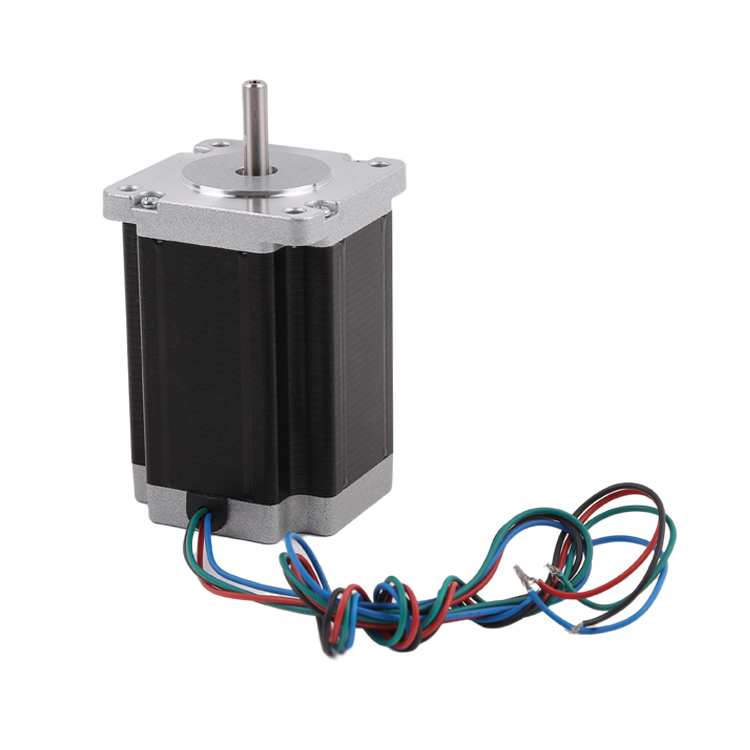
**Advancements in Miniature Electric Motors Propel Industry Innovation**In the rapidly evolving landscape of modern technology, miniature electric motors have become a pivotal component across numerous industries. These compact power sources deliver high efficiency and precision in applications ranging from consumer electronics to medical devices, robotics, and aerospace technologies. This surge in demand is driving significant research and development efforts, positioning miniature electric motors as a cornerstone of innovation.Miniature electric motors, known for their small size yet powerful performance, are engineered to provide reliable rotary motion for compact devices. Their ability to convert electrical energy into mechanical motion with minimal energy loss makes them indispensable in applications where space constraints and energy efficiency are critical. As industries strive for smarter, smaller, and more efficient products, the role of these motors continues to expand.The manufacturing and development of miniature electric motors require specialized expertise and advanced materials that ensure durability, performance consistency, and cost-effectiveness. Precision engineering techniques, including micro-fabrication and advanced magnetic materials, have advanced the capability of these motors to deliver higher torque and speed with reduced vibration and noise levels. These technical improvements enable smoother operation and longer lifespans, meeting the stringent demands of applications in medical instruments, unmanned aerial vehicles (UAVs), and wearable technology.A significant driver behind the innovation in miniature electric motors is the integration of smart technologies. Embedded sensors and control systems now allow for real-time monitoring and adaptive performance tuning, which enhances operational efficiency and reliability. This level of sophistication is particularly beneficial in mission-critical applications such as prosthetics and surgical tools, where precision and responsiveness are paramount.The surge in electric vehicles (EVs) and the growing focus on renewable energy solutions also contribute to the expanding market for miniature electric motors. In EVs, these motors are utilized in ancillary systems such as cooling pumps, power steering, and seat adjustments, providing compact and efficient solutions to reduce overall vehicle weight and energy consumption. Similarly, in renewable energy devices like solar trackers and compact wind turbines, miniature electric motors optimize positioning mechanisms to improve energy capture efficiency.Environmental considerations are playing a crucial role in the design and production of these motors. Manufacturers are increasingly adopting sustainable practices by incorporating recyclable materials and reducing hazardous substances in their manufacturing processes. This commitment not only aligns with global regulatory standards but also meets the rising consumer demand for environmentally responsible technology.The increasing adoption of automation and artificial intelligence (AI) across industries further amplifies the significance of miniature electric motors. Robotics and automated machinery heavily rely on these motors for precision movement and control. Advanced robotics applications, such as drones and automated inspection systems, benefit from motors that provide high speed, low weight, and resilience under challenging operating conditions.As global connectivity advances, the Internet of Things (IoT) revolution is opening new horizons for miniature electric motors. Connected devices depend on compact and efficient motors to power sensors, actuators, and other moving parts, facilitating seamless communication and enhanced functionality. This trend supports the development of smart homes, intelligent manufacturing, and connected healthcare solutions.Industry experts emphasize the importance of continuous innovation and collaboration to meet the escalating performance requirements. Cross-industry partnerships focusing on material science, microelectronics, and software engineering are fostering the development of next-generation motors with embedded intelligence and improved power density. These collaborations promise to unlock new applications and accelerate the adoption of compact motor technology in emerging fields such as space exploration and advanced prosthetics.In conclusion, miniature electric motors are integral to the technological advancement of many sectors. Their compact size, efficiency, and adaptability make them crucial in shaping the future of technology-driven products. As research and development efforts intensify and environmental considerations shape manufacturing practices, the miniature electric motor industry stands poised for significant growth and innovation. This momentum marks a transformative period that will continue to influence how industries innovate and how consumers experience technology in their everyday lives.
Read More